Let’s start with the most traditional systems:
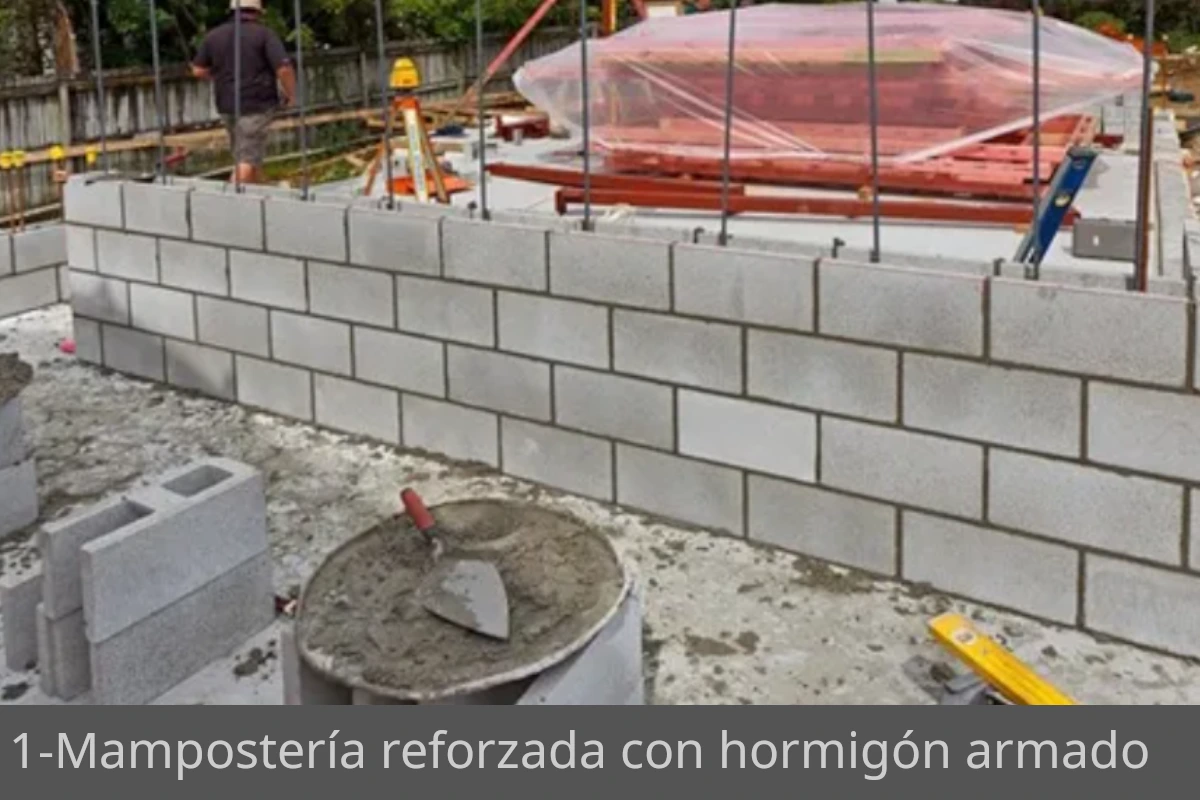
1. Reinforced Masonry with Reinforced Concrete
This system has been historically the most used in Argentina. It consists of load-bearing brick walls (common or ceramic) combined with columns, beams, and reinforced concrete chains that absorb structural loads.
Advantages:
High durability.
Good structural strength.
Excellent thermal and acoustic performance (depending on thickness).
Widely known among professionals and labor.
Disadvantages:
Longer construction times.
Higher consumption of wet materials.
Higher indirect costs due to prolonged construction.
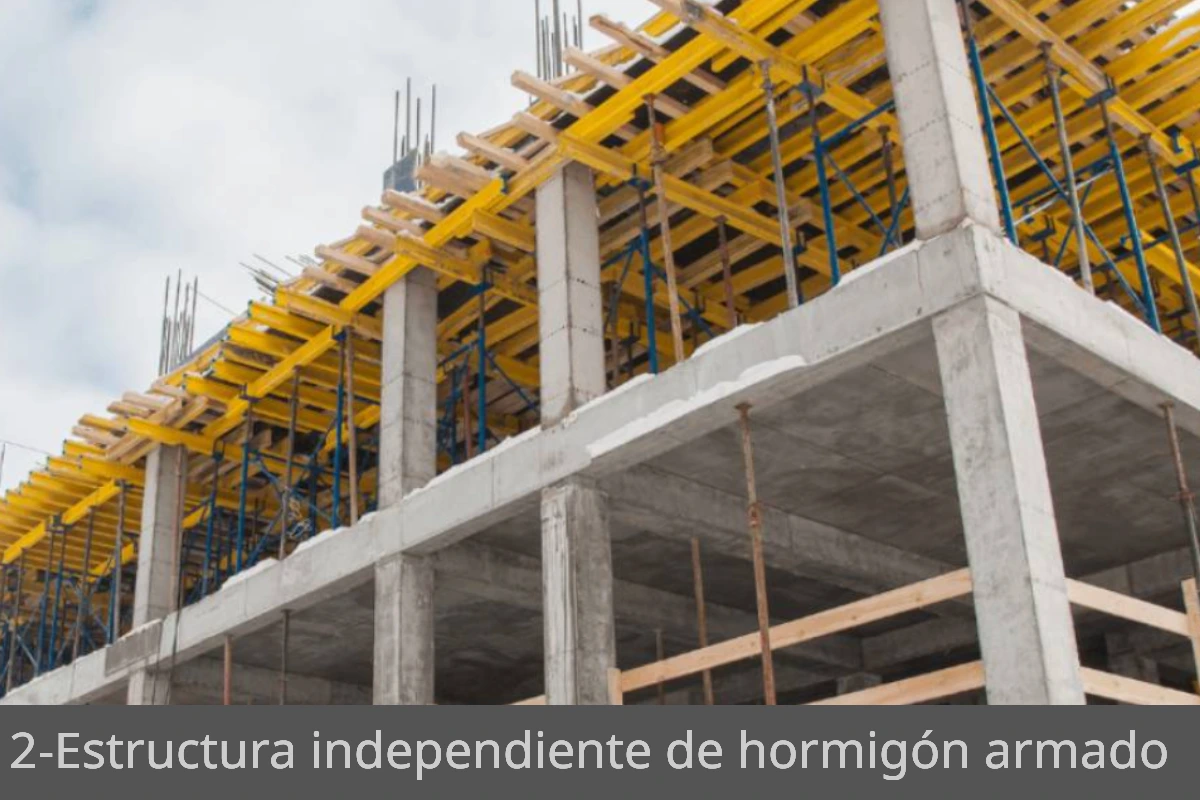
2. Independent Reinforced Concrete Structure
In this system, the structure (columns, beams, and slabs) supports all the loads, while enclosures can be made with bricks or other lightweight materials.
It is widely used in buildings and multi-story homes.
Advantages:
Greater design flexibility.
Allows for future expansions.
High structural strength.
Excellent durability.
Disadvantages:
Higher structural cost.
Greater need for structural calculations.
Prolonged wet construction.
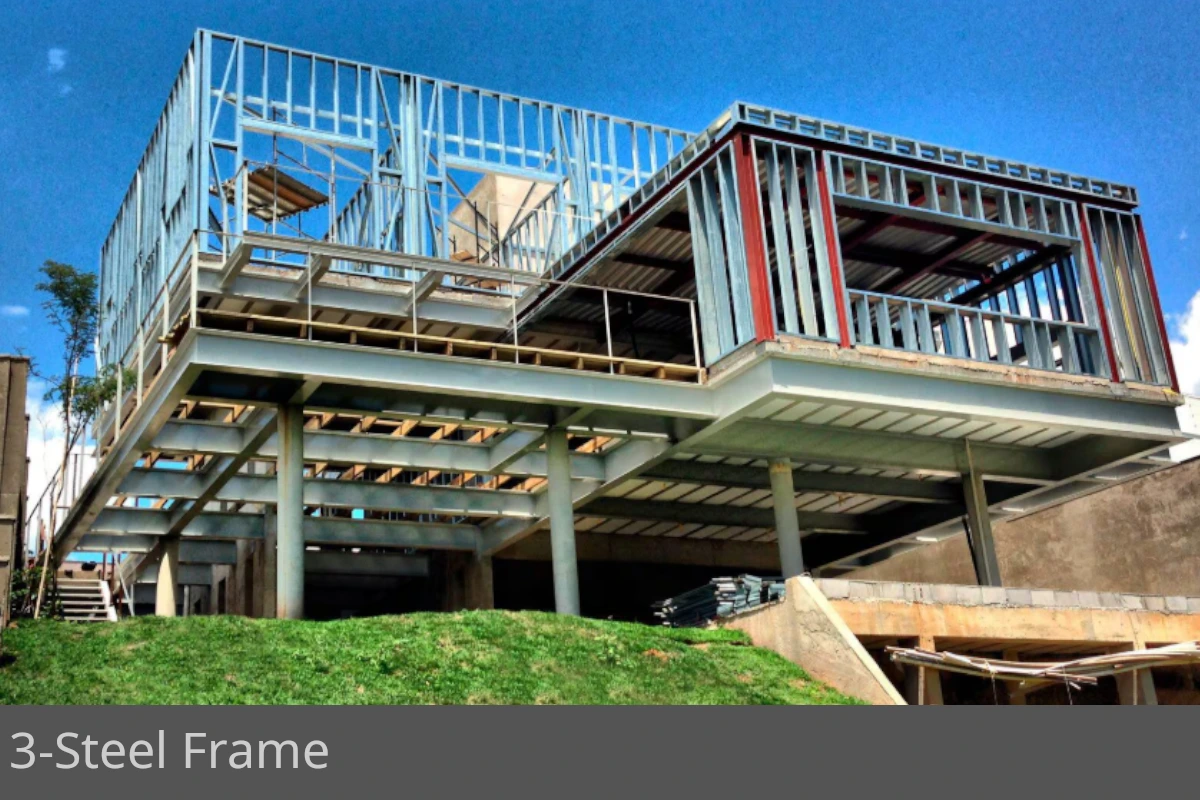
3. Steel Frame
A dry construction system composed of light galvanized steel profiles, with enclosures in panels (OSB, cement boards, gypsum, etc.) and thermal insulation inside.
It is one of the fastest-growing systems in Argentina in recent years.
Advantages:
Fast execution.
Clean and dry construction.
Excellent thermal efficiency if properly installed.
Lower structural weight.
Ideal for expansions.
Disadvantages:
Requires specialized labor.
Sensitive to execution errors.
Lower thermal inertia than concrete.
Cultural perception of lower solidity (though technically safe if properly executed).
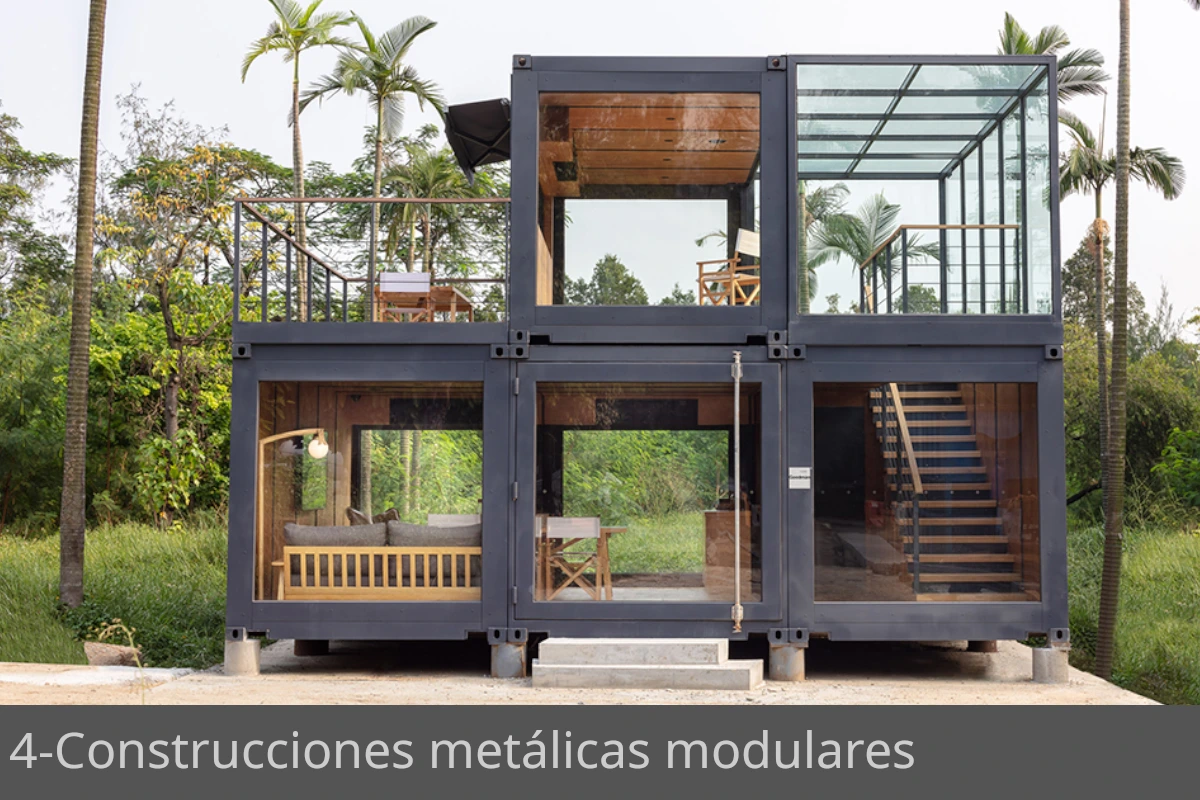
4. Modular Metal Constructions
These are prefabricated metal structures or industrialized modules assembled on site. This includes modular homes and adapted container-type systems.
Advantages:
Extremely fast construction times.
High cost predictability.
Most of the process is done in the factory..
Reduced waste.
Disadvantages:
Design limitations in some cases.
Transport and logistics can increase costs.
Requires good additional thermal insulation.
Which Construction System is Best?
There is no “best” system in absolute terms. The choice depends on:
Available budget.
Execution time.
Geographic location.
Climate.
Type of use (permanent home, weekend house, building).
Future expansion plans.
Ultimately, choosing the right system depends on factors such as budget, construction timelines, location, and property type, and often the best solution is to adapt and combine different technologies to achieve optimal results.